 WHATSAPP US
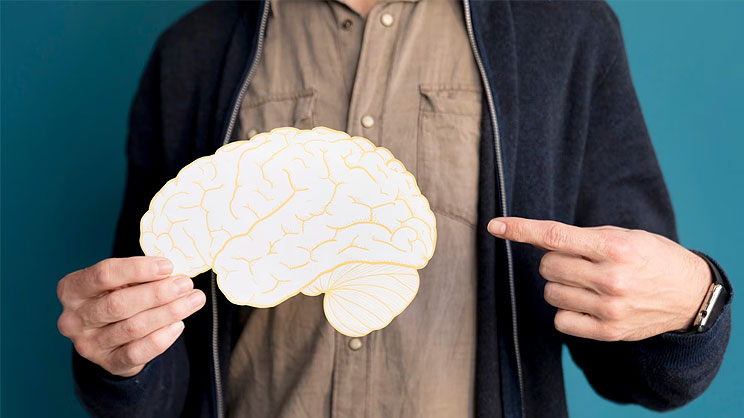
Stroke is a serious health condition that occurs when there is a sudden interruption in the blood supply to a certain part of the brain, which leads to the death of brain cells. This interruption can be caused by a blood clot blocking a blood vessel or a weakened, burst blood vessel in the brain. It can also be due to a lack of blood flow to the brain, caused by a narrowing of the blood vessels that supply the brain.
There are two main types of stroke:
- Ischemic stroke is the most common type, accounting for around 85% of all cases, and is caused by a blockage in a blood vessel in the brain.
- Hemorrhagic stroke, on the other hand, is caused by bleeding in the brain.
The symptoms of stroke can vary depending on which part of the brain is affected, but common signs include sudden weakness or numbness in the face, arm, or leg, trouble speaking or understanding speech, sudden blurred or double vision, severe headache, and difficulty with balance or coordination.
To minimize the risk of stroke, it is important to maintain a healthy lifestyle that includes a balanced diet, regular exercise, and avoiding activities that increase blood pressure and cholesterol.
If you suspect that you or someone you know is having a stroke, it is essential to seek medical attention immediately, as prompt treatment can significantly decrease the chances of long-term disability or death.
One of the most common symptoms of stroke is sudden weakness, numbness, or paralysis on one side of the body. This can affect the arm, leg, or face, causing the person to droop or have difficulty holding objects.
The person may also have difficulty speaking, slurring words, or speaking gibberish. They may also have difficulty with vision, experience sudden blindness, or double vision.
Another symptom of a stroke is a sudden and severe headache, often accompanied by dizziness, confusion, or loss of consciousness. This may be a sign of a hemorrhagic stroke, in which a blood vessel ruptures and bleeds into the brain.
Other symptoms of stroke may include difficulty walking, loss of balance or coordination, nausea and vomiting, and difficulty understanding or making decisions.
It is important to recognize these symptoms and seek immediate medical attention if you suspect that someone is having a stroke.
The faster the person receives treatment, the greater the chances of a successful recovery. Early intervention can also reduce the risk of long-term disability or even death.
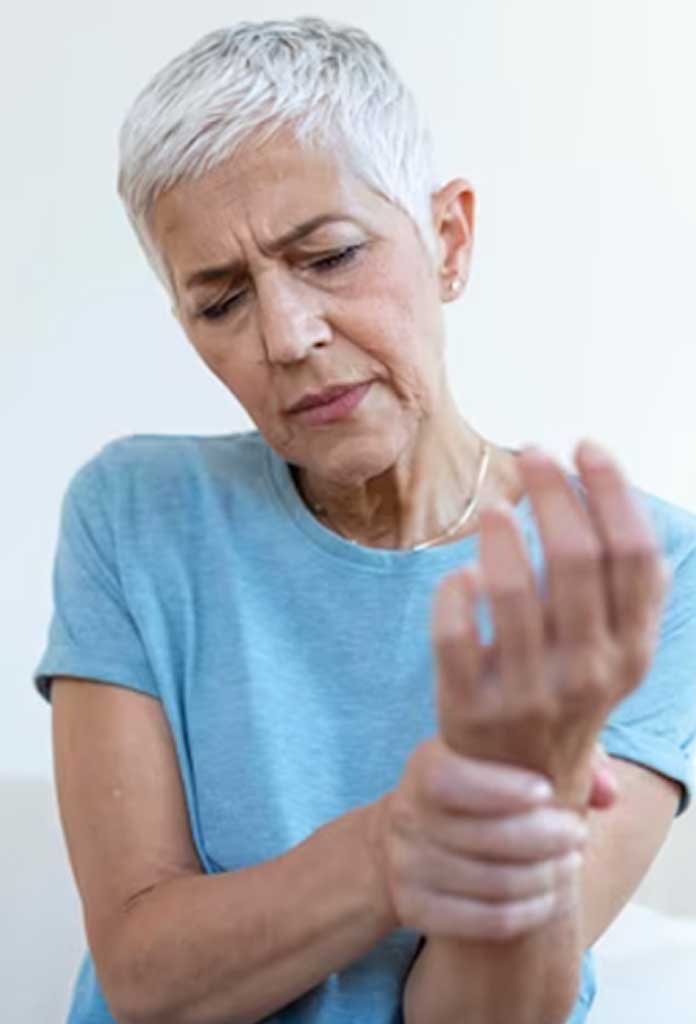
The symptoms of stroke can vary depending on which part of the brain is affected, but common signs include sudden weakness or numbness in the face, arm, or leg, trouble speaking or understanding speech, sudden blurred or double vision, severe headache, and difficulty with balance or coordination.
To minimize the risk of stroke, it is important to maintain a healthy lifestyle that includes a balanced diet, regular exercise, and avoiding activities that increase blood pressure and cholesterol.
If you suspect that you or someone you know is having a stroke, it is essential to seek medical attention immediately, as prompt treatment can significantly decrease the chances of long-term disability or death.
One of the most common symptoms of stroke is sudden weakness, numbness, or paralysis on one side of the body. This can affect the arm, leg, or face, causing the person to droop or have difficulty holding objects.
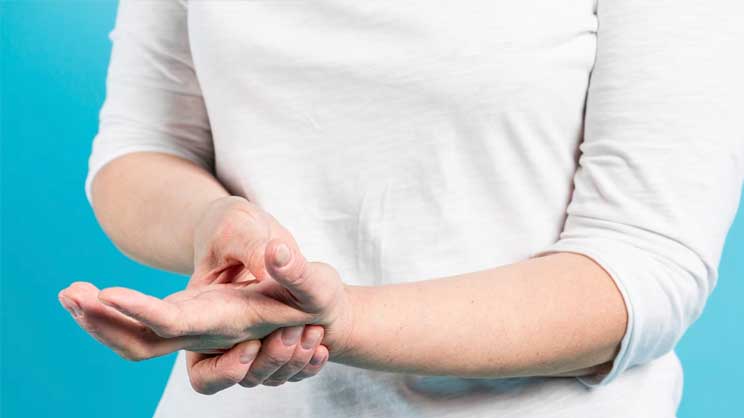
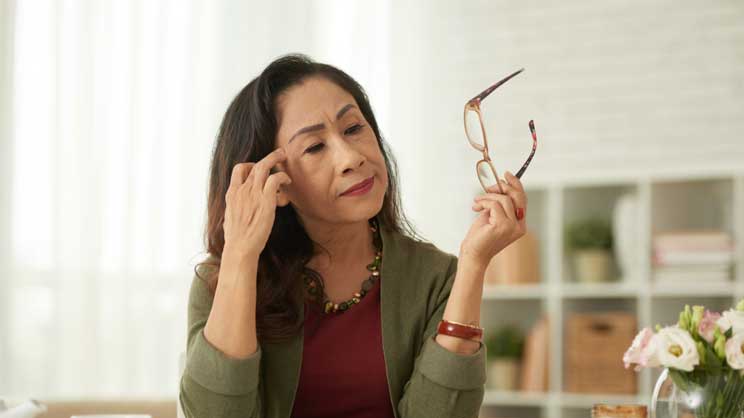
The person may also have difficulty speaking, slurring words, or speaking gibberish. They may also have difficulty with vision, experience sudden blindness, or double vision.
Another symptom of a stroke is a sudden and severe headache, often accompanied by dizziness, confusion, or loss of consciousness. This may be a sign of a hemorrhagic stroke, in which a blood vessel ruptures and bleeds into the brain.
Other symptoms of stroke may include difficulty walking, loss of balance or coordination, nausea and vomiting, and difficulty understanding or making decisions.
It is important to recognize these symptoms and seek immediate medical attention if you suspect that someone is having a stroke.
The faster the person receives treatment, the greater the chances of a successful recovery. Early intervention can also reduce the risk of long-term disability or even death.
Age is a significant risk factor for stroke, and the risk increases as a person gets older. According to the American Stroke Association, approximately three-quarters of all strokes occur in individuals over the age of 65.
Gender can also play a role in stroke risk. Women have a higher likelihood of having a stroke than men, and stroke is among the top five leading causes of death for women in the United States. Women also have unique risk factors for stroke, such as pregnancy-related factors and the use of birth control pills.
Certain medical conditions can increase the risk of having a stroke, such as hypertension, diabetes, high cholesterol, and heart disease.
People who smoke, have a sedentary lifestyle, and consume a diet high in saturated and trans fats are also at risk.
Additionally, a family history of stroke can increase the likelihood of having one. This is because some genetic factors may increase a person’s susceptibility to certain medical conditions that can lead to stroke.
Anyone can have a stroke, but certain factors can increase the risk. These include age, gender, medical conditions, lifestyle factors, and family history. It is essential to manage these risk factors, as prevention is key to reducing the likelihood of having a stroke.
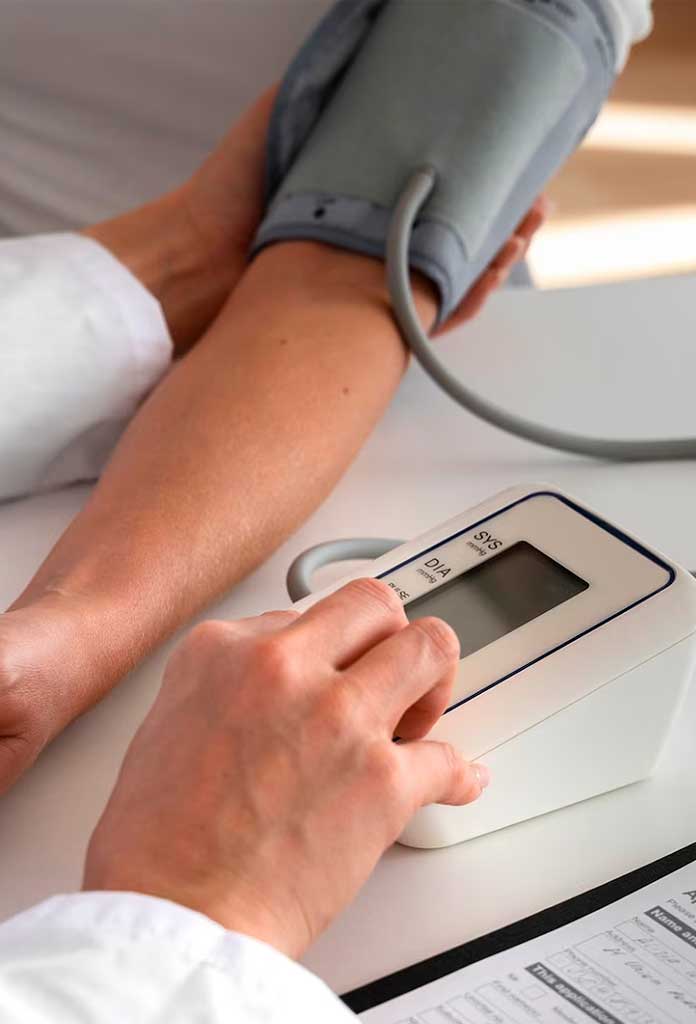
You should still call 999 for a suspected stroke.
How to reduce the likelihood of having a stroke
One of the most important things that people can do to reduce their stroke risk is to maintain a healthy diet. This means eating plenty of fruits, vegetables, whole grains, and lean proteins, and minimizing the intake of saturated and trans fats, sodium, and added sugars. Additionally, staying hydrated and limiting alcohol consumption can also help reduce stroke risk.
Another key factor in reducing stroke risk is regular physical exercise. This can help to lower blood pressure, decrease cholesterol levels, and maintain a healthy weight, all of which have been linked to lower stroke risk. It is recommended that individuals engage in at least 150 minutes of moderate-intensity exercise or 75 minutes of vigorous-intensity exercise per week.
Other lifestyle factors that can contribute to stroke risk include smoking and stress. Quitting smoking and finding ways to manage stress, such as through meditation or exercise, can help to reduce stroke risk.
Finally, individuals should also work with their healthcare provider to manage any existing medical conditions that may increase their risk of stroke, such as high blood pressure, diabetes, or heart disease. This may involve taking medication, monitoring blood pressure and blood sugar levels, and making dietary and lifestyle changes. By taking these steps, people can greatly reduce their potential for having a stroke.

The post-stroke recovery process
The post-stroke recovery process is a challenging period that stroke survivors face after the initial stroke. The process aims to help survivors regain their independence, rebuild their lives and achieve their goals. Recovery usually involves an intensive rehabilitation program that addresses physical, cognitive, and emotional challenges.
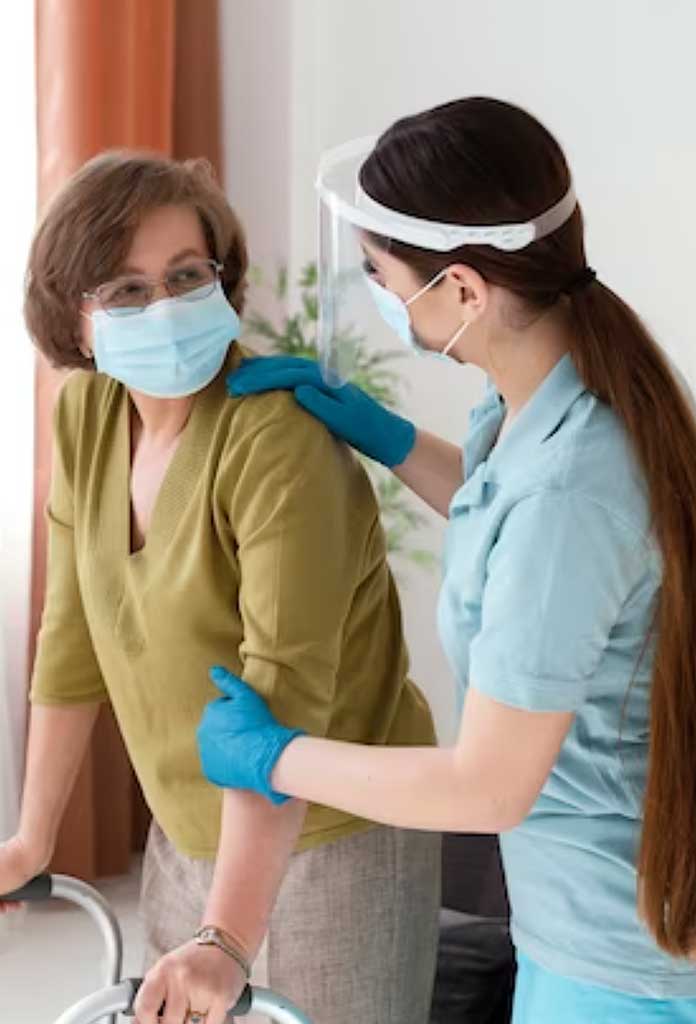
The post-stroke recovery process begins with acute care followed by post-stroke rehabilitation, which typically takes place in an inpatient rehabilitation center, outpatient rehabilitation center or home setting. The rehabilitation program includes occupational therapy, speech therapy and physical therapy and the services are tailored to the specific needs and goals of the survivor.
Physical therapy helps stroke survivors to regain strength, balance, and mobility while occupational therapy focuses on everyday activities such as dressing, bathing, and eating.
Speech therapy helps stroke survivors to improve their communication skills, including speaking, reading, writing, and understanding language.
In addition to rehabilitation, stroke survivors are often prescribed medication and evaluated for depression and other psychological issues that may affect the recovery process. Support from family and friends, as well as counseling and support groups, help survivors to cope with the emotional and psychological challenges that can arise during recovery.
Post-stroke recovery is a complex and individualized process that requires multidisciplinary care, tailored to each stroke survivor’s unique needs and goals. With the right support, stroke survivors can overcome significant physical, cognitive, and emotional challenges on their road to recovery.